


Top 10 Corporate law firms in Delhi for Legal Services
November 19, 2025
Law Firms Handling Corporate Litigation in Delhi NCR — Law Matrix LLP
November 29, 2025
A cheque bounce—legally termed dishonour of cheque under Section 138 of the Negotiable Instruments Act, 1881—is a serious financial and legal issue in India. It not only affects trust in financial transactions but also puts the drawer at the risk of criminal prosecution. For businesses, professionals, landlords, and individuals, a bounced cheque can cause significant financial disruption, delayed payments, and strained relationships. At Law Matrix LLP, our expert legal team offers end-to-end support to ensure that your rights are protected and your money is recovered efficiently. With extensive experience in cheque bounce litigation, we provide strong legal representation, timely action, and strategically drafted notices to achieve the best possible outcome.
What Is a Cheque Bounce Case?
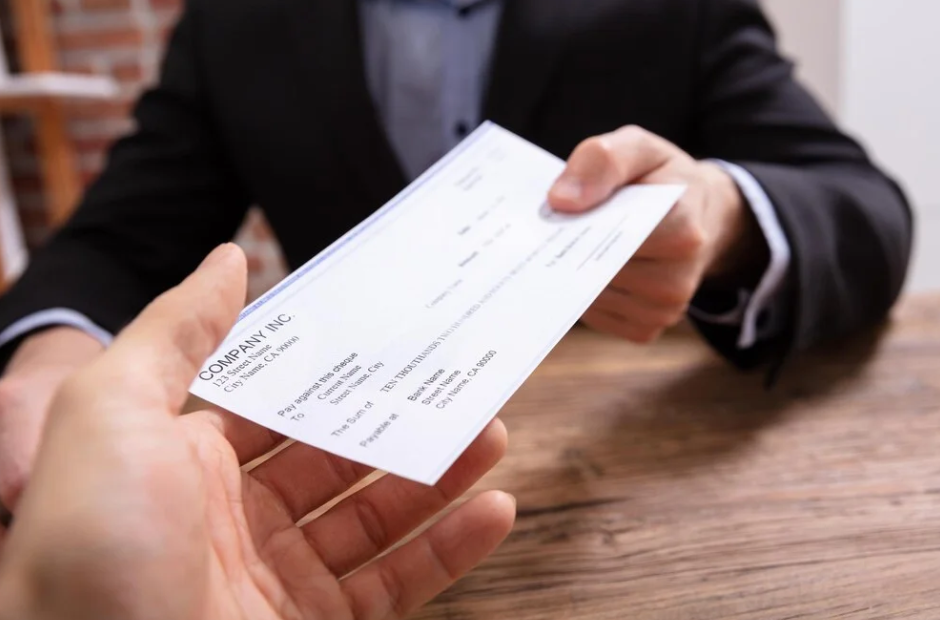
A cheque bounce occurs when a cheque presented to the bank cannot be processed due to issues such as insufficient funds, signature mismatch, overwriting, account closure, or technical errors. The law considers issuing a cheque without maintaining sufficient funds as an intentional act of default. Under Section 138 NI Act, a dishonoured cheque is treated as a criminal offence, making the drawer legally liable for penalties and possible imprisonment. The objective of this law is to uphold the credibility of cheques as a trustworthy mode of payment in commercial transactions. Cheque dishonour cases form a major part of litigation in Indian courts, highlighting the importance of legal awareness and timely action.

Legal Procedure in a Cheque Bounce Case (Step-by-Step)
- Cheque Dishonoured by Bank
- Sending a Legal Notice
- Waiting for 15 Days for Payment
- Filing the Complaint in Court
- Summons, Evidence & Trial
- Final Court Judgment
When the bank rejects a cheque, it issues a cheque return memo specifying the reason for dishonour. The complainant must collect this memo as it is a crucial document for filing a case. Whether the cheque bounces due to insufficient funds or technical errors, the process remains the same.
The payee must send a written legal notice within 30 days of receiving the cheque return memo. This notice demands that the drawer pay the cheque amount within 15 days. A well-crafted notice often leads to immediate settlement, which is why Law Matrix LLP ensures notices are drafted professionally and with strong legal wording.
The drawer gets 15 days to clear the payment. If the money is paid within this time, the case is legally settled, and no complaint can be filed. However, if the drawer ignores or refuses to pay, legal action becomes inevitable.
If the drawer fails to pay within 15 days, the complainant can file a Section 138 case in the court with proper jurisdiction. The complaint must be filed within 30 days after the 15-day period expires. Courts take cheque bounce cases seriously because they involve public financial trust.
The court issues a summons to the accused. Both parties will present their evidence—cheque, bank memo, legal notice, postal receipts, and any supporting documents. Cross-examination and arguments follow, during which legal expertise plays a crucial role in influencing the court’s decision.
Depending on the facts and evidence, the court may order compensation, impose penalties, or even issue imprisonment. Many cases are settled during trial through mediation, saving both time and cost.
Penalties & Punishments for Cheque Bounce
Under Section 138 NI Act, cheque bounce is a punishable offence, and the court may impose strict penalties to deter misuse of cheques. The punishment may include:
-
Up to 2 years of imprisonment, depending on the seriousness of the offence
-
Fine up to twice the cheque amount, which acts as a major financial penalty
-
Compensation to the complainant for losses, legal expenses, and delays
-
Interest on the cheque amount in certain cases
These penalties ensure financial discipline in business transactions and protect the interests of honest payees.
Why Cheques Bounce?
Cheques may bounce for different reasons—some intentional and some purely technical. Common reasons include insufficient balance, account closure, mismatched signatures, outdated cheque books, overwriting, or stop-payment instructions. Sometimes, cheques given as security for business transactions or loans are misused later. At Law Matrix LLP, we carefully analyze the cause of dishonour because the reason mentioned in the bank memo is crucial for determining legal strategy.
Civil or Criminal: What Type of Case Is Cheque Bounce?
A cheque bounce case is both a civil and criminal matter.
-
Under criminal law, it falls under Section 138 NI Act.
-
Under civil law, the payee can file a money recovery suit.
This dual remedy option strengthens the complainant’s position and increases the chances of recovering the full amount along with damages.
How Law Matrix LLP Helps in Cheque Bounce Cases
Law Matrix LLP provides comprehensive services for individuals and businesses facing cheque bounce issues. Our legal team ensures:
✔ Strong & Effective Legal Notices
A well-drafted notice often leads to quick settlement, avoiding lengthy litigation.
✔ Quick Filing of Section 138 Complaint
We ensure complete documentation, proper jurisdiction, and timely filing to avoid delays.
✔ Professional Court Representation
Our experienced lawyers conduct cross-examination, argument, and case strategy to maximize your chances of winning.
✔ Negotiation & Recovery
Most clients prefer fast recovery. We assist in negotiation, mediation, and settlement to help recover your money without delay.
✔ High-Value Commercial Disputes
For companies and high-value cheques, our commercial litigation team ensures professional case handling and faster recovery.
✔ Legal Defence for Accused
If you are falsely implicated, our defence lawyers challenge the validity of the cheque, liability, notice timing, or signature authenticity.
Documents Required to File a Cheque Bounce Case
To file a Section 138 complaint, you will need:
-
Original bounced cheque
-
Bank return memo
-
Copy of legal notice
-
Postal receipts or courier receipts
-
Online tracking report
-
Identity proof and address proof
-
Any supporting financial documents
Having complete documentation strengthens your case and ensures faster court proceedings.
Time Limit for Cheque Bounce Cases
Courts try to complete cheque bounce cases within 6–12 months. However, the actual duration may vary depending on case complexity, number of hearings, availability of parties, and court workload. With proper legal strategy, cases can be resolved more quickly through settlement or summary proceedings.
Defence Available to the Accused
The accused can challenge the cheque bounce case with strong defences such as lack of legally enforceable debt, cheque issued as security, cheque being lost or stolen, signature mismatch, or coercion. Courts carefully examine such claims, and expert legal representation becomes crucial to prove or disprove these arguments.
Why Choose Law Matrix LLP for Cheque Bounce Matters?
Law Matrix LLP stands out for its experience, transparency, and results. We offer:
-
Highly skilled cheque bounce lawyers
-
Aggressive follow-up and recovery strategies
-
Professional drafting of notices and complaints
-
Transparent pricing with regular updates
-
Expertise in both complainant and defence cases
-
Faster resolution through mediation and negotiation
Our goal is to secure maximum financial recovery with minimum delay.
FAQs on Cheque Bounce Case
- Up to 2 years of imprisonment
- Fine up to twice the cheque amount
- Compensation to the complainant
- Legal notices
- Section 138 complaint filing
- Court representation
- Settlement & recovery
- High-value cheque bounce disputes